
Meta Description: Discover how designing iconic restaurants transforms interiors into a brand identity. Explore luxury interiors, design ideas, and stylish upgrades for standout dining.
Introduction
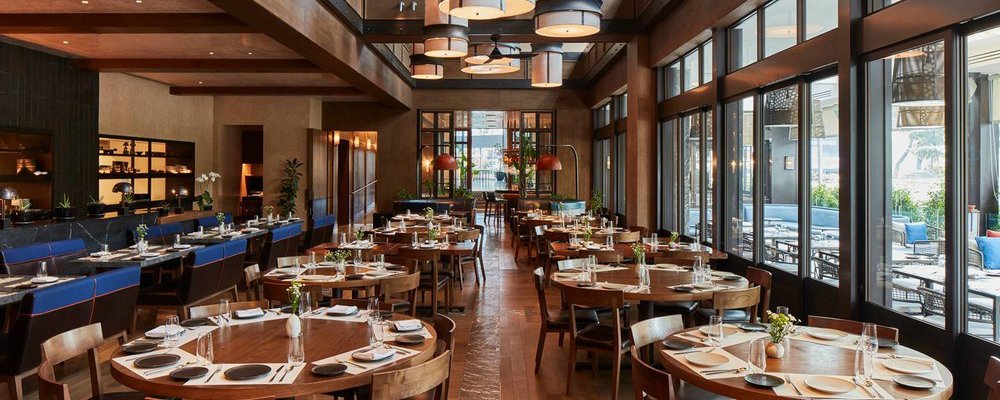
In today’s competitive dining scene, designing iconic restaurants is no longer just about serving exceptional food—it’s about crafting an unforgettable experience. The interiors of a restaurant can set the tone for the entire brand, shaping customer perception before the first bite is even taken. From luxury interiors with elegant finishes to clever design ideas that merge ambiance and storytelling, interiors have become as important as the menu itself. Done right, a restaurant’s design doesn’t just attract guests—it becomes the brand.
The Power of Designing Iconic Restaurants
When you walk into a restaurant that feels alive with character, it’s no accident. Every texture, color, and detail has been deliberately chosen to communicate the brand’s story. Designing iconic restaurants is about curating experiences that linger in memory and bring diners back again and again.
For high-end establishments, interiors act as a visual signature. A bold ceiling mural, a sweeping bar design, or statement lighting can become instantly recognizable, turning the dining space into a destination.
Key Principles of Iconic Restaurant Design
1. Defining the Brand Through Interiors
Before choosing a single chair or paint color, the design process begins with identity. Is the restaurant aiming for refined sophistication, cozy intimacy, or playful modernity? Aligning interiors with the brand ensures the space tells the same story as the food.
- Architectural details like arches, vaulted ceilings, or sleek minimalism signal the mood.
- Bespoke furniture offers both comfort and exclusivity, reinforcing a premium feel.
- Textured fabrics and natural elements add depth, warmth, and authenticity.
2. Spatial Flow and Open-Plan Living Principles
Many successful restaurants borrow from the concept of open-plan living, where space flows seamlessly between bar, dining, and lounge areas. This openness invites social connection, making the dining experience more dynamic while offering guests a sense of freedom.
- Flexible layouts adapt to private dinners, larger groups, and special events.
- Visibility across spaces highlights design features like art walls or feature kitchens.
3. Lighting as the Mood Setter
Lighting is one of the most underestimated elements in restaurant design. The right illumination creates atmosphere, highlights elegant finishes, and guides the eye.
- Statement lighting—whether chandeliers, pendant clusters, or sculptural fixtures—acts as a design centerpiece.
- Layered lighting (ambient, accent, and task) provides flexibility across lunch, dinner, and late-night settings.
4. Materiality and Finishes
Choosing materials is where luxury truly speaks. Guests notice the difference between mass-produced decor and carefully curated designer touches.
- Marble bars, brass details, and velvet seating hint at timeless elegance.
- Sustainable wood, stone, and greenery incorporate natural elements, balancing sophistication with comfort.
5. Creating Instagram-Worthy Corners
In the digital age, diners love to share their experiences visually. Designing spaces with photogenic angles not only enhances guest experience but also serves as organic marketing.
- Artistic backdrops and stylish upgrades like mirrored walls or curated art pieces encourage sharing.
- Iconic spots within the restaurant can become instantly recognizable online.
Modern Decor Meets Timeless Elegance
Modern decor in restaurant design isn’t about fleeting trends; it’s about blending innovation with timeless sophistication. Clean lines, integrated technology, and minimalist layouts can live harmoniously with elegant finishes and bespoke furniture. The result is a restaurant that feels current yet enduring.
This approach ensures the restaurant evolves gracefully over time without losing its brand identity.
Design Ideas That Elevate Dining to an Experience
Every restaurant has the opportunity to offer more than food—it can offer a narrative. Consider these design ideas that turn a space into a journey:
- Seasonal flexibility: Interiors that can evolve with changing menus or events.
- Curated art collections: Rotating or commissioned works that reflect the restaurant’s identity.
- Interactive design features: Open kitchens, chef’s tables, or wine cellars visible from the dining area.
These touches show how design and storytelling intertwine to create an atmosphere that guests won’t forget.
Why Interiors Become the Brand
In iconic restaurants, interiors are not background scenery—they are the brand. Diners recall the glow of the lighting, the curve of a chair, the feeling of luxury in a tactile surface. Interiors define memory as much as flavor does.
By integrating luxury interiors, smart design ideas, and carefully chosen stylish upgrades, restaurants move beyond being dining venues. They become landmarks, symbols of culture, and ambassadors of brand identity.
Conclusion
Designing iconic restaurants is an art form where interiors don’t just complement the brand—they become the brand. Through thoughtful planning, creative storytelling, and luxurious detailing, every restaurant has the potential to be a destination in itself. At Good House Interiors, we specialize in turning design visions into enduring icons. Whether you’re looking for bespoke furniture, space planning, or stylish upgrades, our expertise ensures that your restaurant leaves a lasting impression.
FAQs
Q1: What makes a restaurant interior iconic?
An iconic restaurant interior combines brand identity with unforgettable design features such as statement lighting, bespoke furniture, and elegant finishes that create a distinct atmosphere.
Q2: How does modern decor fit into luxury restaurant design?
Modern decor, with its clean lines and contemporary materials, can be balanced with timeless elements like natural stone, textured fabrics, and designer touches to achieve a sophisticated look.
Q3: Why is lighting so important in restaurant interiors?
Lighting sets the mood, enhances architectural details, and highlights luxury finishes. It also creates a flexible environment that shifts seamlessly from day to night.
Q4: How can design ideas improve the dining experience?
Thoughtful design ideas—like open-plan layouts, interactive kitchens, or curated art—transform dining into an immersive experience that resonates with guests beyond the meal.
Q5: Do interiors really influence brand perception in restaurants?
Absolutely. Interiors are often the first impression guests form, and when designed well, they define the restaurant’s identity as much as its cuisine does.
تصميم المطاعم الأيقونية: عندما تتحول المساحات الداخلية إلى هوية للعلامة
المقدمة
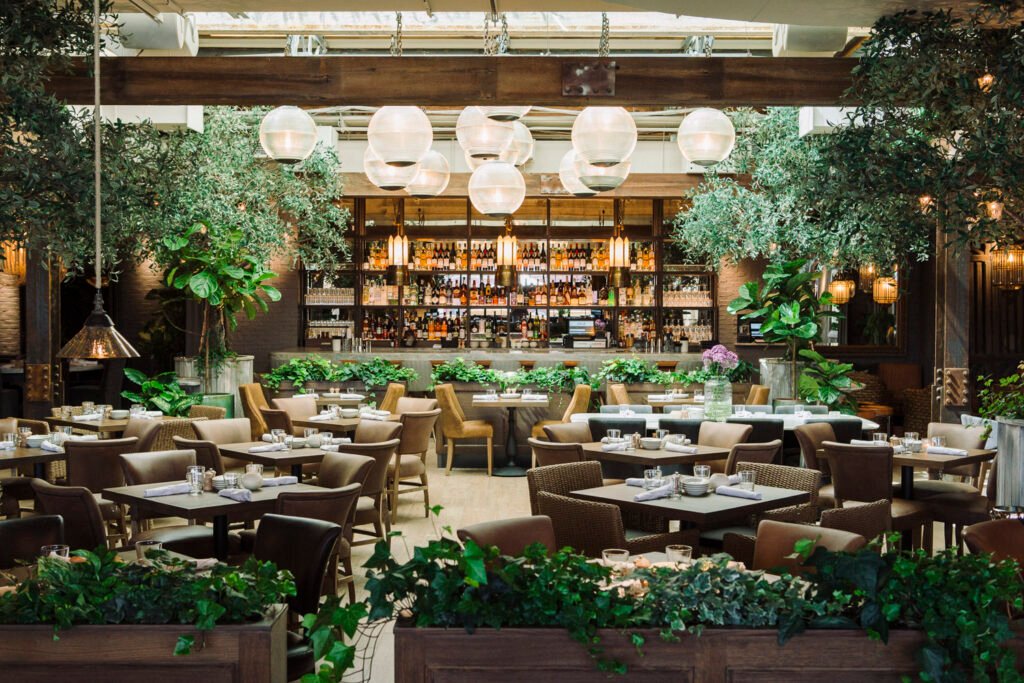
في مشهد الطعام التنافسي اليوم، لم يعد تصميم المطاعم الأيقونية مجرد تقديم طعام استثنائي، بل أصبح يتعلق بابتكار تجربة لا تُنسى. يمكن للديكور الداخلي للمطعم أن يحدد ملامح العلامة التجارية بالكامل، ويؤثر على انطباع الضيف قبل تذوق أول لقمة. من التصاميم الفاخرة ذات اللمسات الأنيقة إلى الأفكار التصميمية التي تمزج بين الأجواء والسرد القصصي، أصبح التصميم الداخلي بنفس أهمية قائمة الطعام. وعندما يتم تنفيذه بإتقان، فإن تصميم المطعم لا يجذب الضيوف فحسب—بل يتحول إلى العلامة نفسها.
قوة تصميم المطاعم الأيقونية
عندما تدخل مطعماً ينبض بالحياة والتميز، فذلك ليس صدفة. كل خامة ولون وتفصيل تم اختياره بعناية لنقل قصة العلامة التجارية. إن تصميم المطاعم الأيقونية يتعلق بابتكار تجارب تظل عالقة في الذاكرة وتدفع العملاء للعودة مرة أخرى.
في المطاعم الراقية، يصبح التصميم الداخلي بمثابة توقيع بصري. جدارية جريئة على السقف، أو تصميم بار مميز، أو إضاءة لافتة يمكن أن تجعل المكان وجهة بحد ذاته.
المبادئ الأساسية لتصميم المطاعم الأيقونية
١. تعريف العلامة التجارية من خلال الديكور الداخلي
قبل اختيار أي قطعة أثاث أو لون، يبدأ التصميم بالهوية. هل يسعى المطعم لعرض أجواء راقية؟ أم دفء حميمي؟ أم أسلوب عصري مرح؟ يجب أن تعكس المساحات نفس الرسالة التي يقدمها الطعام.
- التفاصيل المعمارية مثل الأقواس، الأسقف المرتفعة، أو البساطة العصرية تحدد الطابع.
- الأثاث المصمم خصيصاً يعزز الشعور بالتميز والراحة.
- الأقمشة الملمسية والعناصر الطبيعية تضيف عمقاً وأصالة للمكان.
٢. تدفق المساحات ومبدأ المخطط المفتوح
تستعير المطاعم الناجحة مفهوم المعيشة ذات المخطط المفتوح حيث يتدفق المكان بسلاسة بين البار وغرفة الطعام والصالة. هذا يخلق أجواء اجتماعية نابضة ويمنح الضيوف حرية أكبر.
- تصاميم مرنة تتكيف مع العشاء الخاص أو المجموعات الكبيرة أو الفعاليات الخاصة.
- رؤية واضحة تبرز عناصر تصميمية مثل الجداريات أو المطابخ المفتوحة.
٣. الإضاءة كمحدد للمزاج
تُعد الإضاءة من أكثر العناصر التي يُستهان بها في التصميم، لكنها قادرة على خلق أجواء فريدة وإبراز اللمسات الأنيقة.
- الإضاءة البارزة مثل الثريات أو الأشكال النحتية تصبح محوراً جمالياً.
- الإضاءة المتدرجة (العامة، الموجهة، والوظيفية) تضيف مرونة طوال اليوم.
٤. المواد والتشطيبات
اختيار المواد هو ما يمنح التصميم طابعه الفاخر. يلاحظ الضيوف الفرق بين الديكور العادي واللمسات المصممة بعناية.
- رخام في البارات، تفاصيل نحاسية، ومقاعد مخملية تعكس الفخامة.
- استخدام الخشب والحجر والعناصر الخضراء يوازن بين الرقي والطبيعة.
٥. زوايا جذابة لإنستغرام
في العصر الرقمي، يحب الضيوف مشاركة تجاربهم بصرياً. لذلك، تصبح الزوايا الجذابة وسيلة تسويق طبيعية.
- خلفيات فنية وترقيات أنيقة مثل الجدران المرايا أو قطع الفن المختارة تشجع على التصوير.
- زوايا مميزة يمكن أن تصبح أيقونية على الإنترنت.
الديكور العصري يلتقي بالأناقة الخالدة
إن الديكور العصري في المطاعم لا يعني اتباع صيحات عابرة، بل دمج الابتكار مع الرقي الدائم. الخطوط النظيفة والتقنيات المدمجة والتصاميم البسيطة تتناغم مع اللمسات الأنيقة والأثاث المصمم حسب الطلب لخلق مساحة عصرية ومستدامة في الوقت ذاته.
هذا النهج يضمن أن يتطور المطعم بمرور الوقت دون فقدان هويته.
أفكار تصميمية ترتقي بتجربة الطعام
لكل مطعم فرصة لتقديم ما هو أكثر من الطعام—فرصة لتقديم قصة. ومن أبرز الأفكار التصميمية:
- المرونة الموسمية: تصاميم يمكن تعديلها لتناسب قوائم الطعام أو المناسبات المختلفة.
- مجموعات فنية منتقاة: أعمال فنية متجددة أو مصممة خصيصاً لتعكس هوية المطعم.
- عناصر تفاعلية: مثل المطابخ المفتوحة أو طاولات الشيف أو الأقبية الزجاجية للنبيذ.
هذه العناصر تجعل القصة جزءاً من التجربة وتخلق ذكريات يصعب نسيانها.
لماذا يصبح التصميم الداخلي هو العلامة
في المطاعم الأيقونية، لا يكون التصميم مجرد خلفية، بل هو العلامة بحد ذاتها. يتذكر الضيوف وهج الإضاءة، انحناءة الكرسي، أو ملمس الفخامة في التشطيبات. فالتصميم يحدد الذاكرة تماماً كما يحدد الطعم.
من خلال دمج الديكورات الفاخرة، والأفكار التصميمية الذكية، والترقيات الأنيقة، يتجاوز المطعم كونه مكاناً لتناول الطعام ليصبح معْلماً ثقافياً ورمزاً للهوية.
الخاتمة
إن تصميم المطاعم الأيقونية فن يدمج بين الهوية الداخلية والهوية التجارية حتى يصبحا واحداً. ومن خلال التخطيط المدروس، والسرد الإبداعي، والتفاصيل الفاخرة، يمكن لأي مطعم أن يتحول إلى وجهة بحد ذاته. في Good House Interiors، نحن متخصصون في تحويل الرؤى التصميمية إلى أيقونات خالدة. سواء كنت تبحث عن أثاث مصمم خصيصاً، أو تخطيط للمساحات، أو ترقيات أنيقة، فإن خبرتنا تضمن لمطعمك انطباعاً لا يُمحى.
الأسئلة الشائعة (FAQs)
س١: ما الذي يجعل التصميم الداخلي لمطعم أيقونياً؟
يجمع التصميم الأيقوني بين هوية العلامة وعناصر بارزة مثل الإضاءة الملفتة، الأثاث المصمم حسب الطلب، والتشطيبات الأنيقة لخلق أجواء مميزة.
س٢: كيف يتماشى الديكور العصري مع التصميم الفاخر للمطاعم؟
يمكن للديكور العصري بخطوطه النظيفة ومواده الحديثة أن يتناغم مع عناصر خالدة مثل الحجر الطبيعي والأقمشة الملمسية ليحقق توازناً راقياً.
س٣: لماذا تعتبر الإضاءة عنصراً محورياً في المطاعم؟
الإضاءة تحدد الأجواء، وتبرز التفاصيل المعمارية، وتسلط الضوء على اللمسات الفاخرة، كما تمنح مرونة للتنقل بين أوقات النهار والليل.
س٤: كيف يمكن للأفكار التصميمية تحسين تجربة تناول الطعام؟
توفر الأفكار المدروسة—مثل المطابخ المفتوحة أو المجموعات الفنية—تجارب غامرة تربط الضيوف بالمكان بشكل أعمق.
س٥: هل يؤثر التصميم الداخلي فعلاً على صورة العلامة التجارية للمطعم؟
بالتأكيد. غالباً ما يكون التصميم هو الانطباع الأول، وعندما يتم تنفيذه بعناية، فإنه يحدد هوية المطعم تماماً مثل أطباقه.