
Meta Description
Discover how cultural influences shape modern Middle Eastern interiors with timeless design ideas, stylish upgrades, and luxury interiors rich in heritage.
Introduction
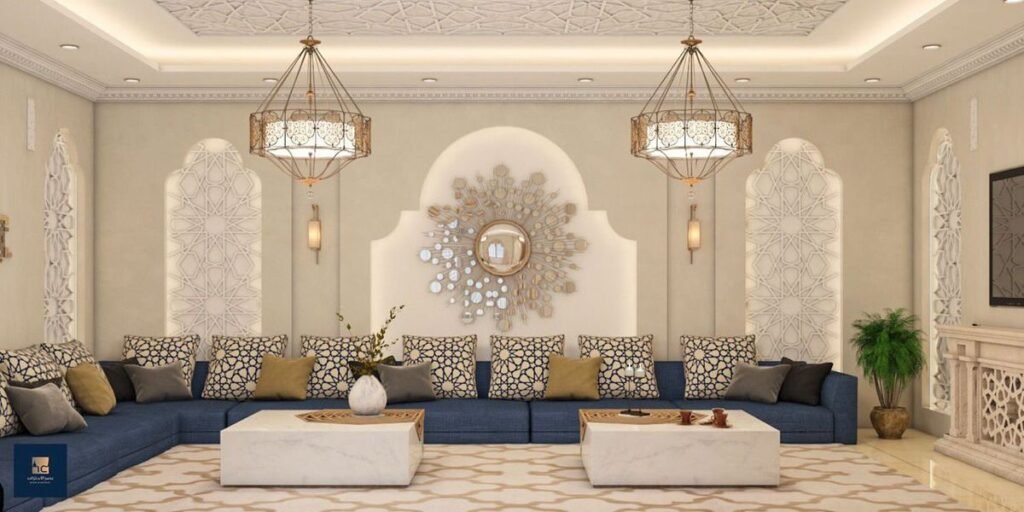
How cultural influences shape modern Middle Eastern interiors is a question that resonates deeply within today’s design world. The region’s interiors are more than just spaces to inhabit; they are reflections of identity, heritage, and evolving lifestyles. By weaving together centuries-old traditions with contemporary sensibilities, designers in the Middle East create interiors that feel at once rooted and refreshingly modern. From the use of textured fabrics and elegant finishes to the inclusion of bespoke furniture and statement lighting, cultural elements lend depth and meaning to every detail.
Tradition as the Foundation of Modern Elegance
The Middle East has long been a crossroads of civilizations, and this legacy remains central to the aesthetics of modern decor. Architects and designers reinterpret ancient motifs, colors, and materials to create spaces that honor the past while embracing today’s design ideas.
- Architectural details with history: Arched doorways, mashrabiya screens, and intricate geometric patterns are no longer just ornamental. They are integrated into modern interiors as subtle yet striking design features.
- Natural elements for authenticity: Stone, marble, and wood—long used in palaces and mosques—are incorporated into contemporary homes, offering both durability and timeless beauty.
The result is a seamless blend of old and new, where culture becomes the silent architect of stylish upgrades.
How Cultural Influences Shape Modern Middle Eastern Interiors
When considering modern design in the region, culture is never an afterthought. Instead, it guides every choice, from layout to materials. The focus is on creating luxury interiors that feel warm, personal, and distinctly Middle Eastern.
The Role of Family and Hospitality
Hospitality is at the heart of Middle Eastern culture. Interiors reflect this with open-plan living layouts, expansive seating areas, and flexible zones designed to host gatherings. Bespoke furniture arrangements often prioritize comfort and inclusivity, ensuring every guest feels welcome.
Symbolism in Colors and Textiles
Color palettes carry symbolic weight—earthy tones reflect the desert landscape, while deep blues and greens evoke spiritual connections to water and nature. Textured fabrics such as silk, velvet, and linen are layered for both comfort and elegance, creating interiors rich with tactile experiences.
Modernity Meets Spirituality
Spaces often balance spirituality with modern decor. Prayer areas, calm reading corners, and zones designed for reflection are seamlessly integrated into luxury interiors. Here, cultural values shape functionality without compromising on style.
Design Ideas Born from Cultural Heritage
Statement Lighting as a Cultural Accent
Lantern-style lighting and intricate chandeliers, once designed to illuminate traditional majlis spaces, now serve as statement lighting in contemporary homes. They are paired with sleek modern fixtures for a harmonious interplay of old and new.
Bespoke Furniture with Local Craftsmanship
Custom-made pieces often draw from regional craftsmanship, with carved wood, mother-of-pearl inlays, and metal accents reinterpreted for modern interiors. These designer touches ensure every item tells a cultural story.
Elegant Finishes with Symbolic Meaning
From calligraphy-inspired wall art to gilded trims, finishes are chosen not only for aesthetic appeal but also for their cultural resonance. This layering of meaning elevates everyday spaces into luxury interiors.
Balancing Global Influences with Local Identity
The Middle East has embraced global design trends, yet cultural values continue to anchor interiors. Scandinavian minimalism, for example, blends effortlessly with Middle Eastern warmth when paired with natural elements like wood and stone. Similarly, bold Italian furniture finds its place within interiors enhanced by traditional architectural details.
This balancing act ensures interiors remain relevant in today’s international market while maintaining a strong sense of place.
Stylish Upgrades for Modern Middle Eastern Interiors
Clients seeking refined yet culturally authentic spaces often consider:
- Integrating open-plan living with private retreats for versatility.
- Adding bespoke furniture that captures artisanal techniques.
- Choosing elegant finishes that celebrate regional motifs.
- Investing in statement lighting to anchor contemporary spaces with cultural depth.
These stylish upgrades allow interiors to evolve with modern lifestyles without losing their cultural core.
Conclusion
How cultural influences shape modern Middle Eastern interiors is a story of balance—between heritage and innovation, tradition and modern decor. Every choice, from textured fabrics to bespoke furniture, enriches the home with meaning and sophistication. For those seeking to bring this unique blend of culture and modernity into their spaces, Good House Interiors offers expertise in space planning, custom furniture, and living room design that embodies both elegance and authenticity.
FAQs
1. Why are cultural elements important in modern Middle Eastern interiors?
Cultural elements ensure interiors remain authentic, adding depth and identity while harmonizing with contemporary design ideas.
2. What materials are commonly used in luxury interiors in the Middle East?
Natural elements such as marble, wood, and stone are favored for their durability and timeless appeal, often combined with elegant finishes.
3. How does Middle Eastern culture influence modern decor layouts?
Cultural emphasis on family and hospitality inspires open-plan living, expansive seating, and welcoming social zones.
4. Can modern luxury interiors still incorporate traditional craftsmanship?
Absolutely. Bespoke furniture and designer touches often highlight artisanal techniques, making cultural craftsmanship a core part of stylish upgrades.
5. What role does lighting play in culturally inspired interiors?
Statement lighting, such as lanterns and chandeliers, reflects heritage while doubling as a striking focal point in modern interiors.
كيف تؤثر التأثيرات الثقافية في تشكيل التصاميم الداخلية الحديثة في الشرق الأوسط
المقدمة
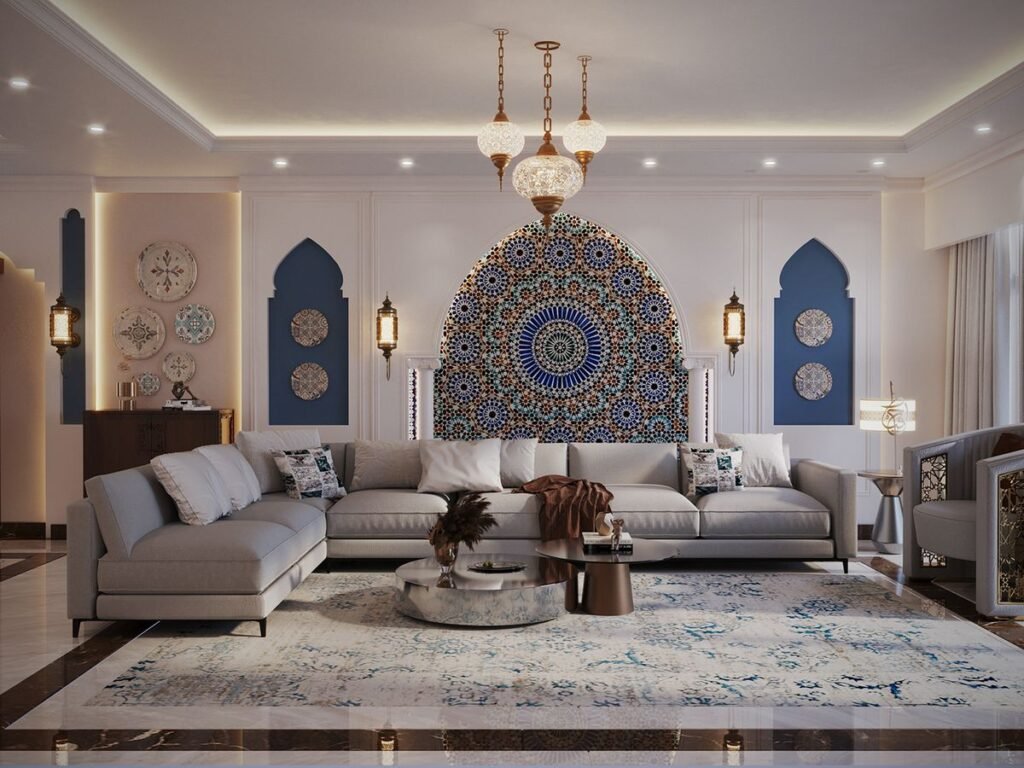
إن السؤال حول كيف تؤثر التأثيرات الثقافية في تشكيل التصاميم الداخلية الحديثة في الشرق الأوسط أصبح محوراً أساسياً في عالم التصميم اليوم. فالمساحات الداخلية هنا لا تُعتبر مجرد أماكن للعيش، بل انعكاساً للهوية والإرث وأنماط الحياة المتطورة. ومن خلال المزج بين تقاليد عريقة وحس معاصر، يبتكر المصممون في المنطقة تصاميم تجمع بين الأصالة والحداثة. من الأقمشة الملموسة والتشطيبات الأنيقة إلى الأثاث المصمم حسب الطلب والإضاءة البارزة، تسهم الثقافة في إثراء كل تفصيلة داخلية.
التقاليد كأساس للأناقة الحديثة
لطالما كان الشرق الأوسط نقطة التقاء حضارات، وما زال هذا الإرث يشكل أساساً لجماليات الديكور الحديث. حيث يعاد تفسير الزخارف القديمة والألوان والمواد لتتجسد في أفكار تصميمية عصرية تلبي احتياجات الحياة اليومية.
- تفاصيل معمارية ذات جذور تاريخية: الأقواس، المشربيات، والزخارف الهندسية المعقدة لم تعد مجرد عناصر جمالية، بل أصبحت جزءاً من التصاميم الحديثة بأسلوب متوازن وملفت.
- عناصر طبيعية للأصالة: الحجر والرخام والخشب—المستخدمة قديماً في القصور والمساجد—تدخل اليوم في التصاميم الداخلية المعاصرة لتمنحها متانة وجمالاً خالداً.
والنتيجة هي مزيج متناغم من القديم والجديد، حيث تصبح الثقافة بمثابة المهندس الصامت للترقيات الأنيقة.
كيف تؤثر التأثيرات الثقافية في تشكيل التصاميم الداخلية الحديثة في الشرق الأوسط
عند التفكير في التصميم الحديث في المنطقة، لا تكون الثقافة عاملاً جانبياً بل مرشداً أساسياً يوجه كل اختيار من توزيع المساحات إلى المواد والتفاصيل. الهدف هو ابتكار تصاميم داخلية فاخرة تعكس الدفء والخصوصية والهوية الشرق أوسطية.
دور العائلة والضيافة
الضيافة قلب الثقافة الشرق أوسطية، وهو ما ينعكس في اعتماد مساحات معيشة مفتوحة، مناطق جلوس واسعة، وتوزيعات مرنة تستوعب المناسبات العائلية والاجتماعية. غالباً ما يُعتمد الأثاث المصمم خصيصاً لتوفير الراحة والاحتواء.
رمزية الألوان والمنسوجات
تحمل الألوان معاني عميقة—فالألوان الترابية تحاكي الصحراء، بينما الأزرق والأخضر الداكن يعكسان روحانية الطبيعة والماء. أما الأقمشة الملموسة مثل الحرير والمخمل والكتان فتُضفي لمسة فاخرة وتمنح المساحات بعداً حسياً غنياً.
التوازن بين الحداثة والروحانية
تُدمج مساحات للعبادة أو القراءة أو التأمل داخل التصاميم لتلبية القيم الروحية، دون أن يؤثر ذلك على أناقة الديكور الحديث. هنا، تلعب الثقافة دوراً في صياغة الوظائف بما يتناغم مع الطابع الجمالي.
أفكار تصميمية مستوحاة من التراث الثقافي
الإضاءة البارزة كعنصر ثقافي
المصابيح المعلقة والثريات المزخرفة، التي كانت تضفي الأجواء في المجالس التقليدية، أصبحت اليوم إضاءة بارزة في المنازل المعاصرة. وغالباً ما تُدمج مع مصابيح حديثة لتحقيق توازن بين الأصالة والابتكار.
أثاث مصمم حسب الطلب بحرفية محلية
تُستوحى القطع المخصصة من الحرف التقليدية مثل النقش على الخشب أو تطعيم الصدف والمعادن، لتُقدم في قوالب عصرية. هذه اللمسات التصميمية تجعل كل قطعة تحمل حكاية ثقافية.
تشطيبات أنيقة بمعانٍ رمزية
من لوحات الخط العربي إلى الزخارف المذهبة، تُختار التشطيبات بعناية لتجمع بين الجمال والدلالة الثقافية. وبهذا تتحول المساحات اليومية إلى تصاميم داخلية فاخرة ذات معنى.
الموازنة بين التأثيرات العالمية والهوية المحلية
رغم انفتاح المنطقة على الاتجاهات العالمية، تبقى القيم الثقافية محوراً أساسياً. فعلى سبيل المثال، يندمج الأسلوب الاسكندنافي البسيط مع دفء الشرق الأوسط عند استخدام العناصر الطبيعية مثل الخشب والحجر. كما تجد قطع الأثاث الإيطالية الجريئة مكانها في مساحات مزينة بـ تفاصيل معمارية محلية.
ترقيات أنيقة للتصاميم الداخلية الحديثة في الشرق الأوسط
من أبرز الترقيات التي يبحث عنها العملاء:
- دمج مساحات معيشة مفتوحة مع أركان خاصة للخصوصية.
- إضافة أثاث مخصص يعكس تقنيات حرفية محلية.
- اختيار تشطيبات أنيقة مستوحاة من الزخارف الإقليمية.
- الاستثمار في إضاءة بارزة لتأصيل الطابع الثقافي.
الخاتمة
إن موضوع كيف تؤثر التأثيرات الثقافية في تشكيل التصاميم الداخلية الحديثة في الشرق الأوسط هو حكاية توازن بين التراث والابتكار. كل اختيار، من الأقمشة الملموسة إلى الأثاث المخصص، يثري المساحات بالمعنى والرقي. وإذا كنتم تبحثون عن الجمع بين الثقافة والحداثة في منازلكم، فإن Good House Interiors تقدم خبرتها في تخطيط المساحات، تصميم غرف المعيشة، وصناعة الأثاث حسب الطلب، لتجسد الفخامة والأصالة في آن واحد.
الأسئلة الشائعة
1. لماذا تعتبر العناصر الثقافية مهمة في التصاميم الداخلية الحديثة في الشرق الأوسط؟
العناصر الثقافية تضفي أصالة وعمقاً، وتخلق هوية واضحة تنسجم مع الأفكار التصميمية العصرية.
2. ما المواد الأكثر استخداماً في التصاميم الداخلية الفاخرة بالشرق الأوسط؟
الرخام والخشب والحجر من أبرز العناصر الطبيعية المستخدمة، وغالباً ما تُدمج مع تشطيبات أنيقة لخلق مساحات خالدة.
3. كيف تؤثر الثقافة في توزيع المساحات في الديكور الحديث؟
التركيز على العائلة والضيافة يؤدي إلى اعتماد مساحات معيشة مفتوحة مع مناطق اجتماعية رحبة.
4. هل يمكن دمج الحرف التقليدية مع التصاميم الحديثة؟
بالتأكيد. الأثاث المخصص واللمسات التصميمية يبرزان تقنيات الحرف التقليدية كجزء من الترقيات الأنيقة.
5. ما دور الإضاءة في التصاميم المستوحاة من الثقافة؟
الإضاءة البارزة مثل الثريات والفوانيس تمثل التراث وتعمل في الوقت ذاته كعنصر جمالي ملفت في التصاميم الحديثة.